Recent Work
Tennis Court Gallery
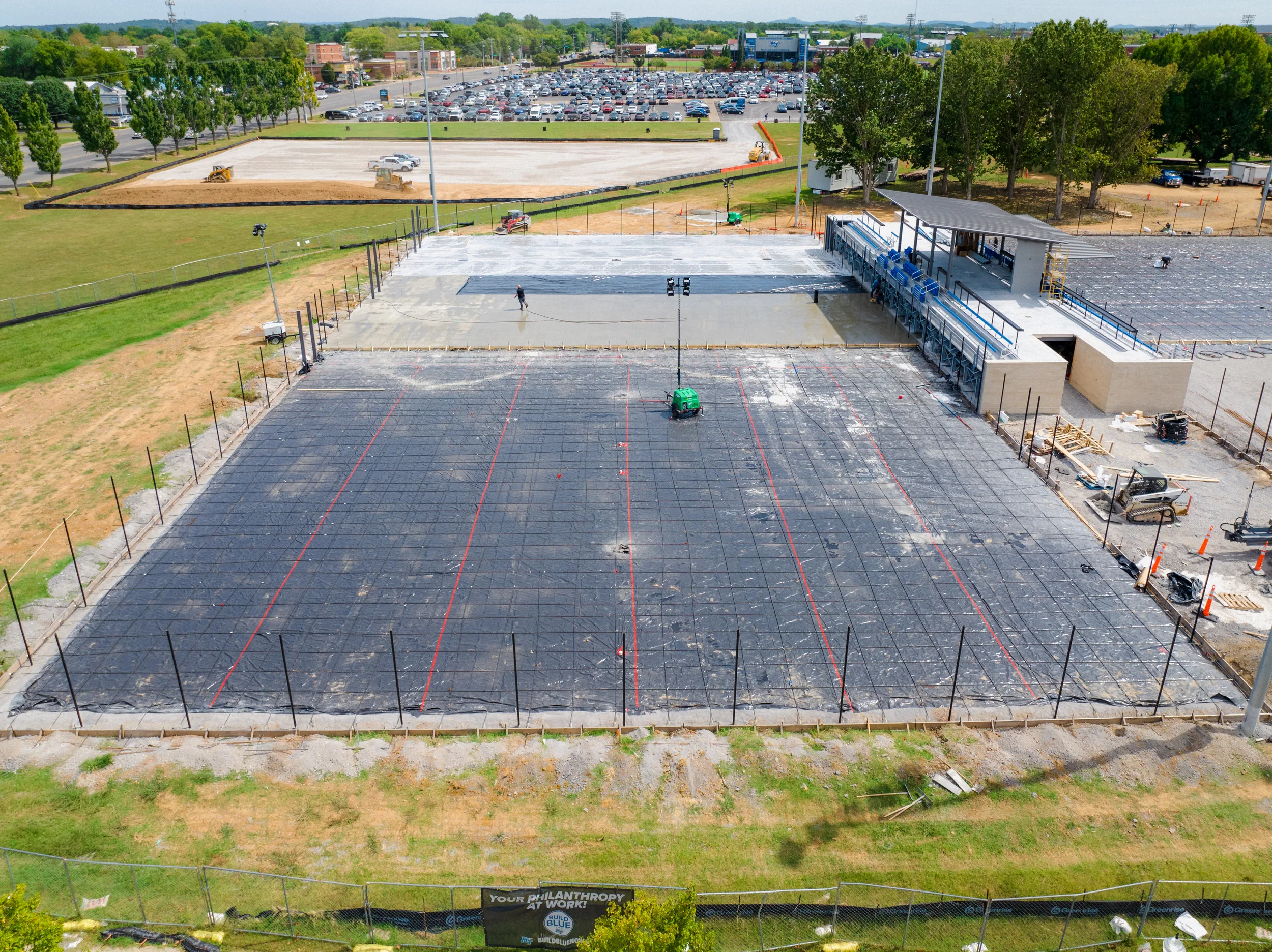
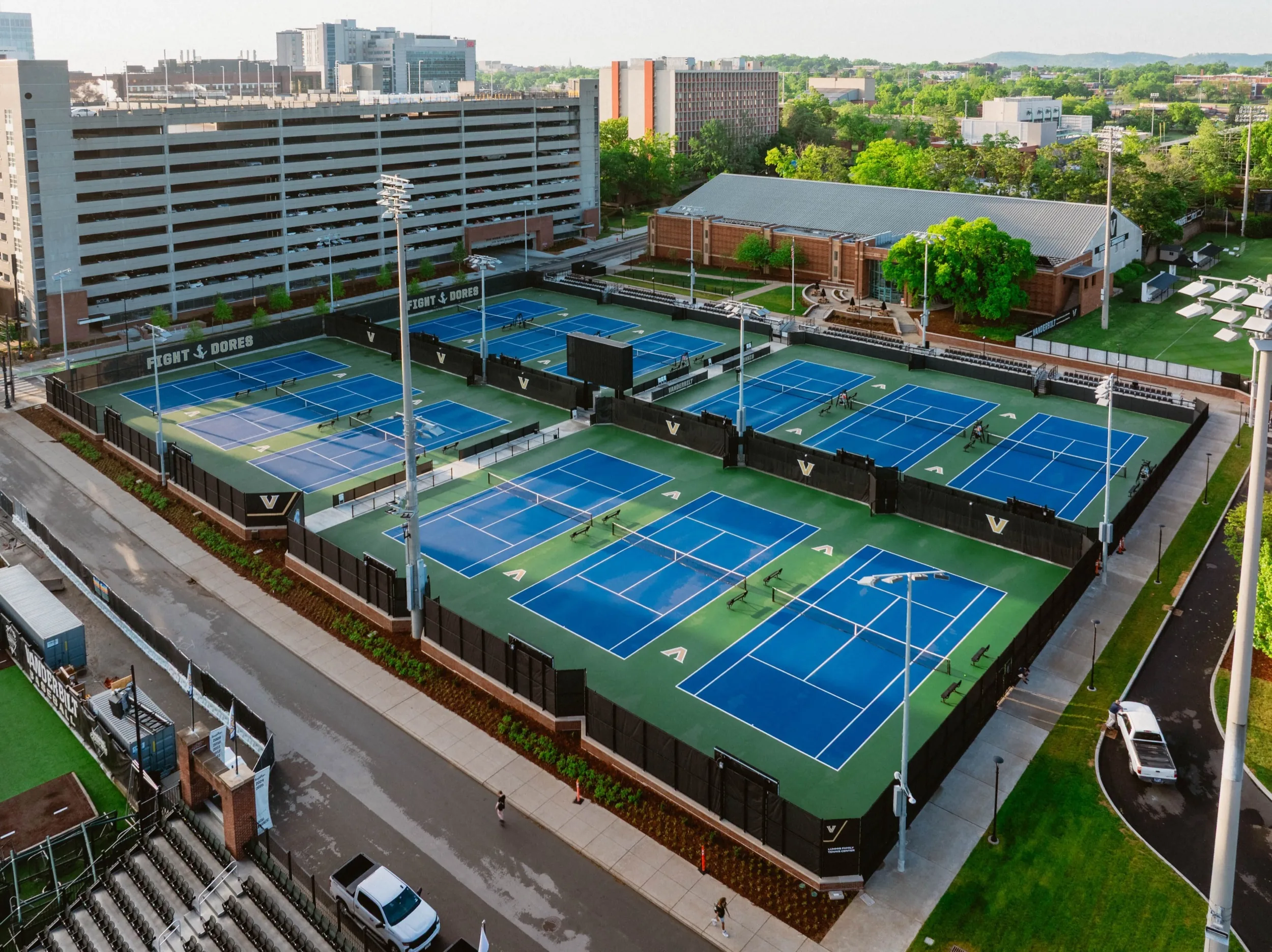
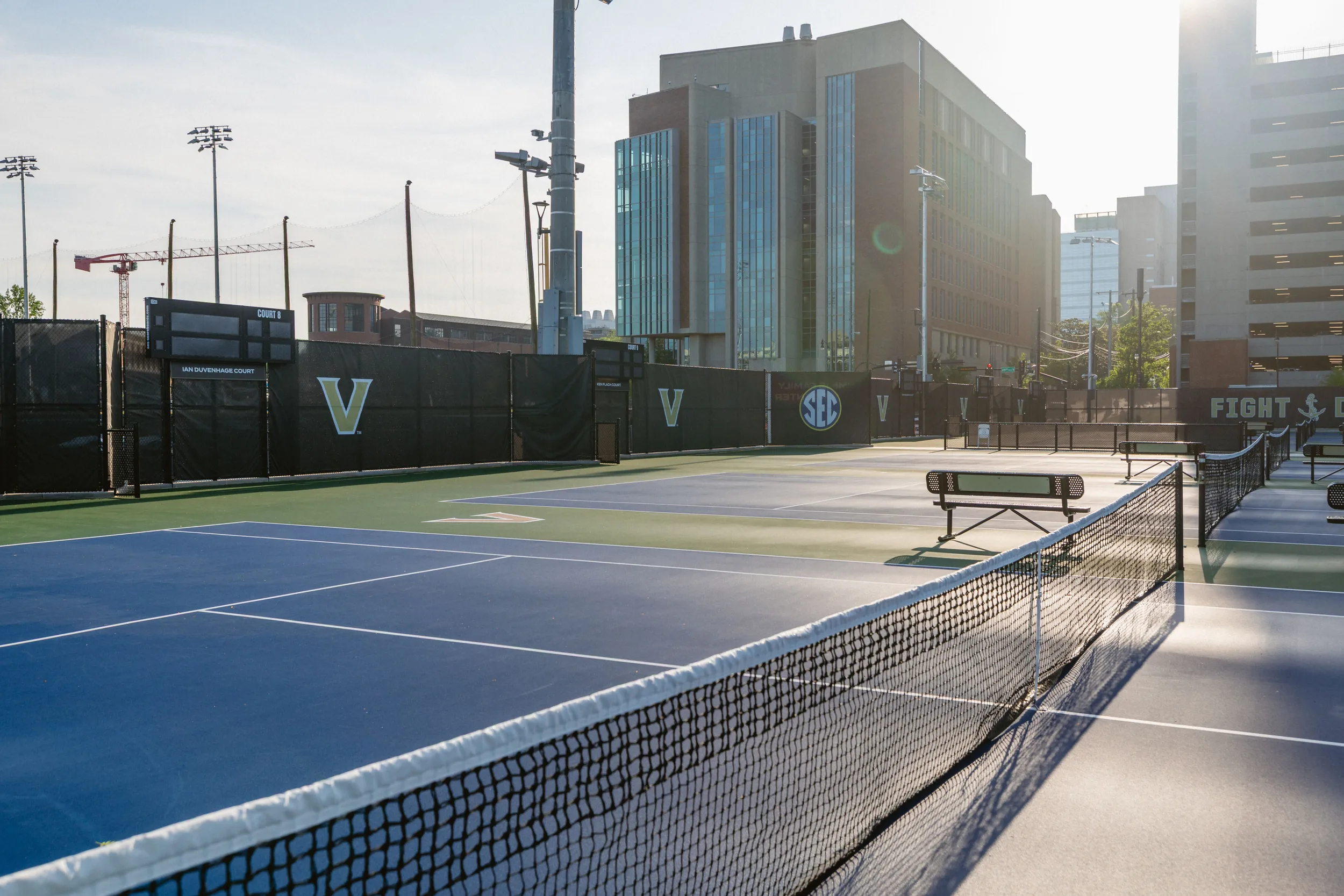
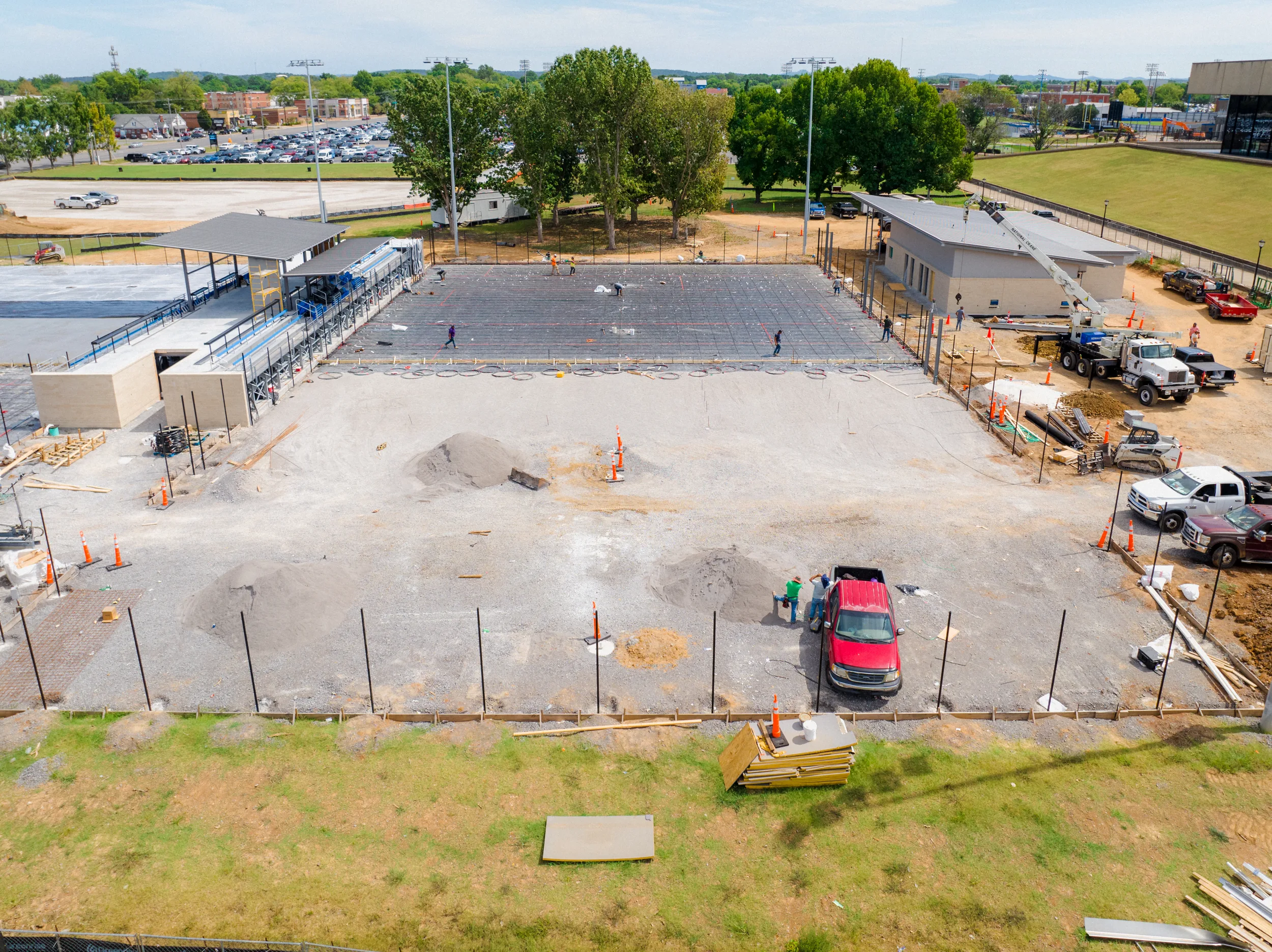
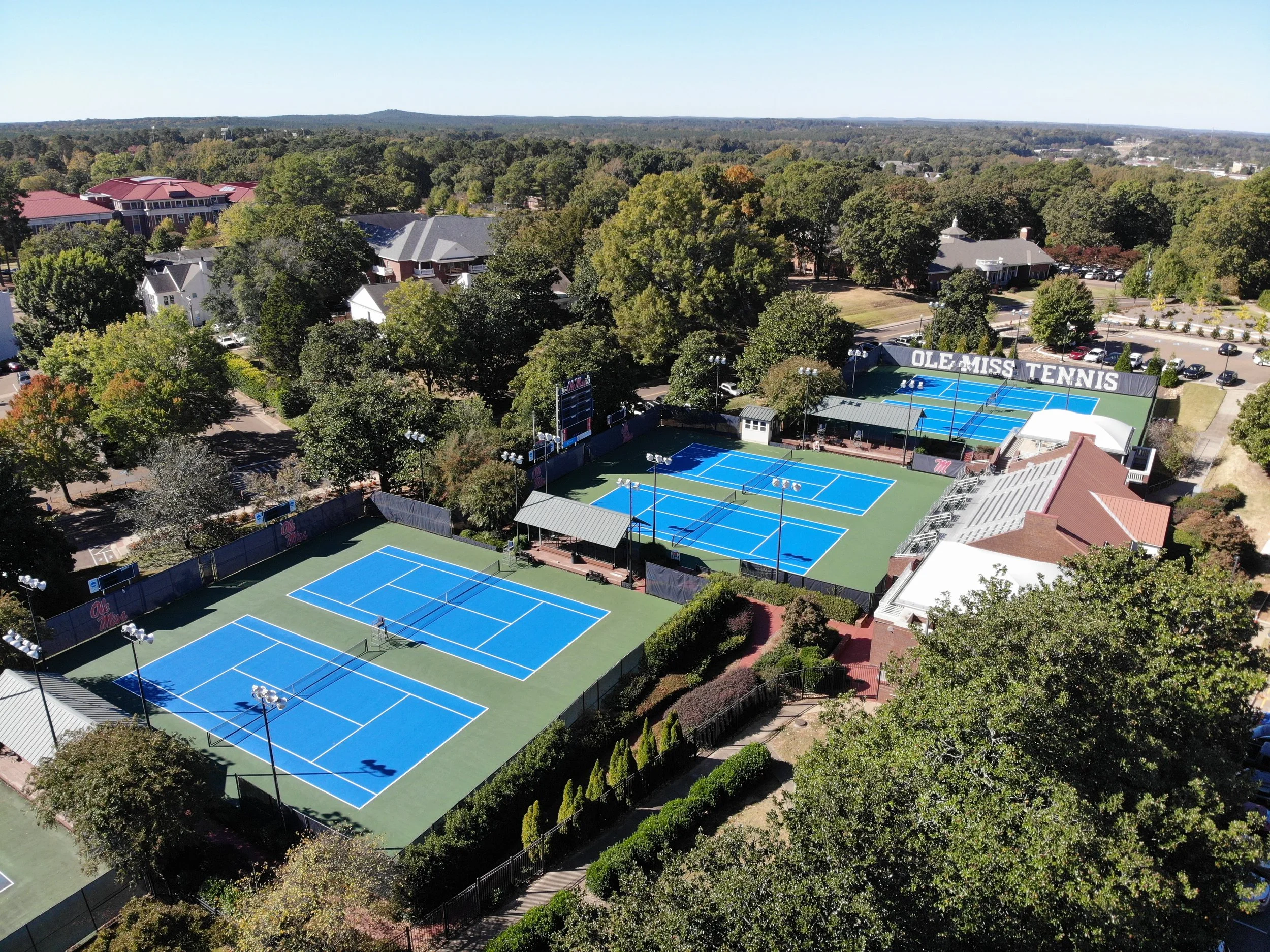
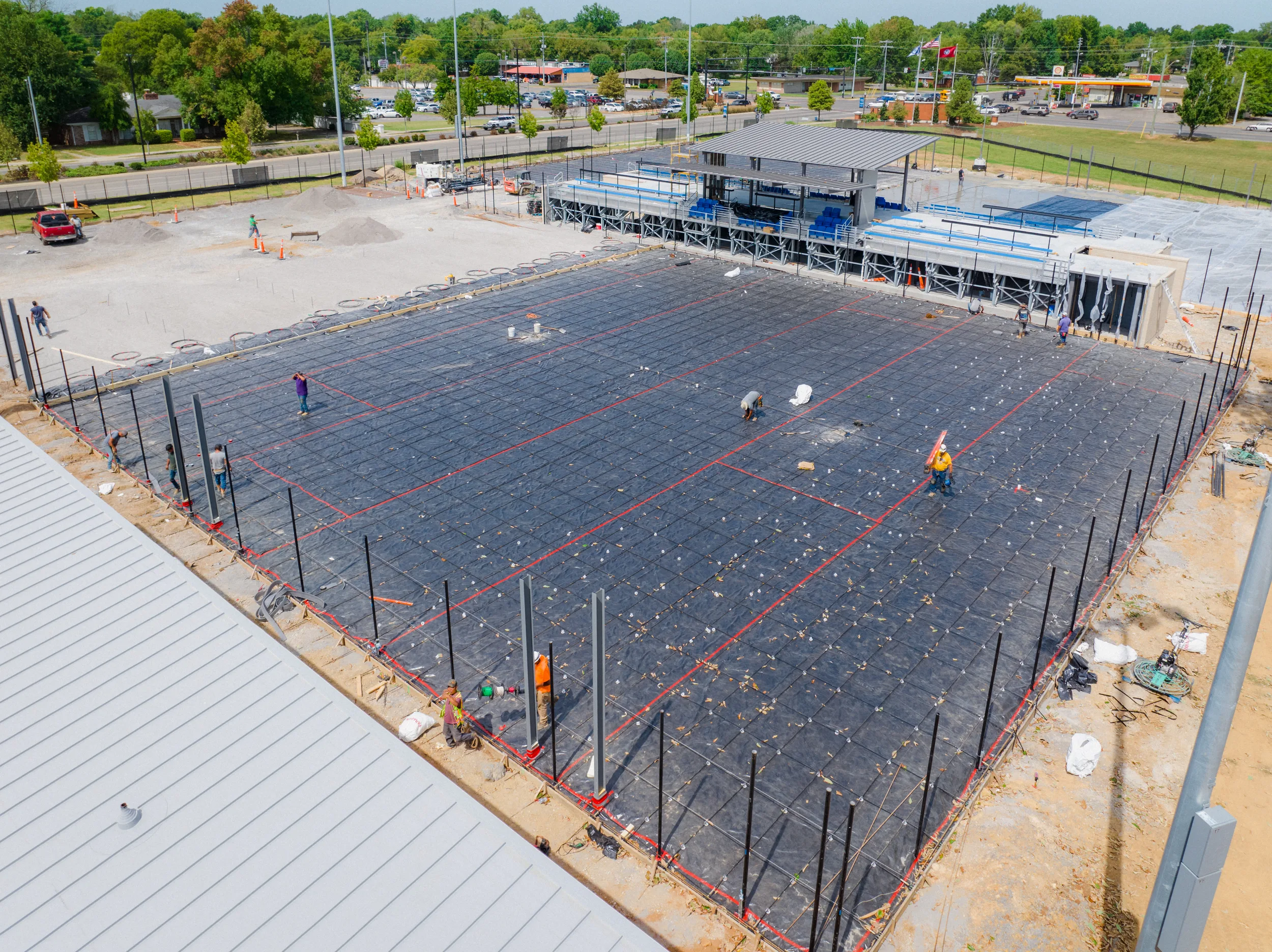
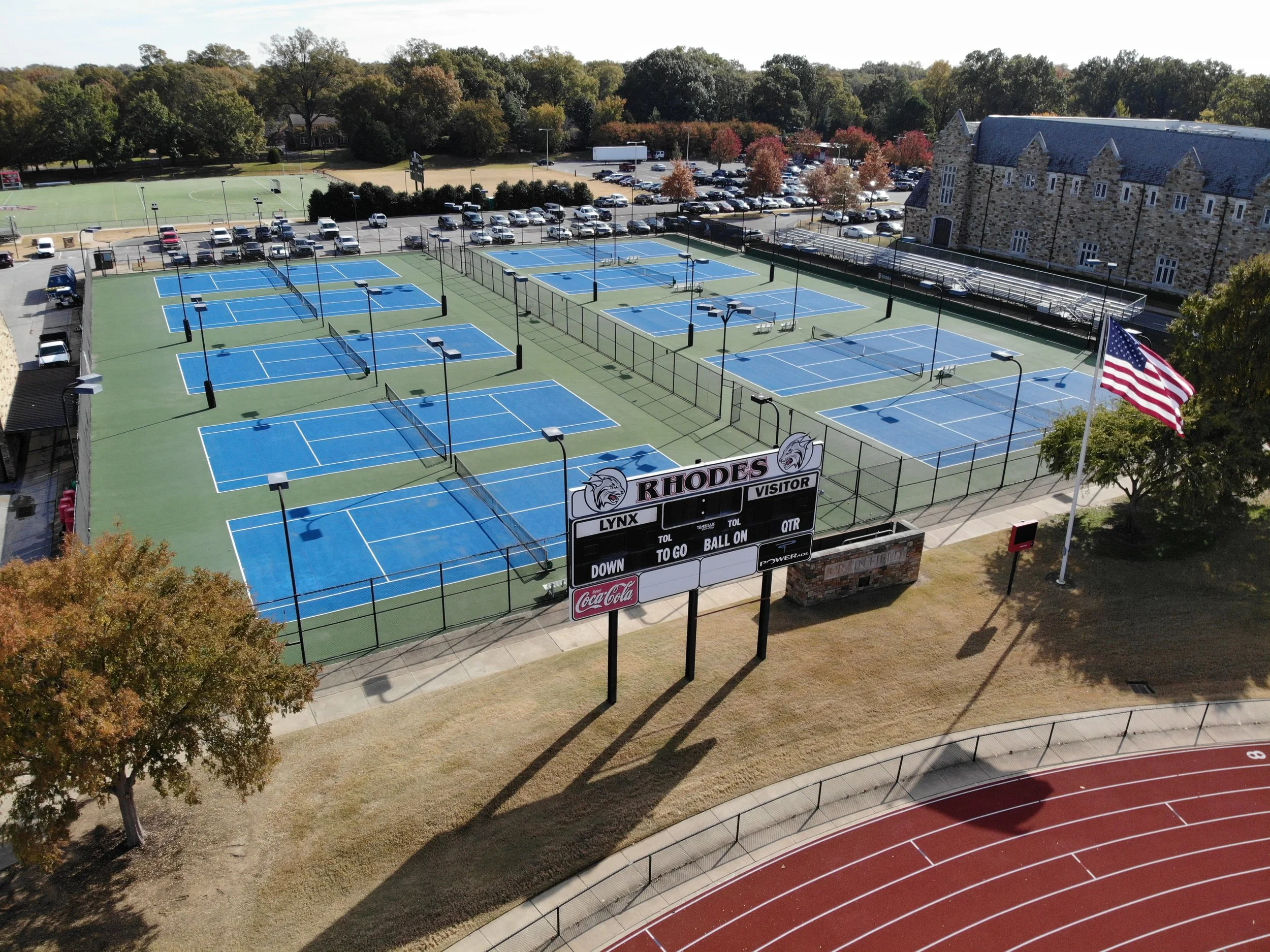
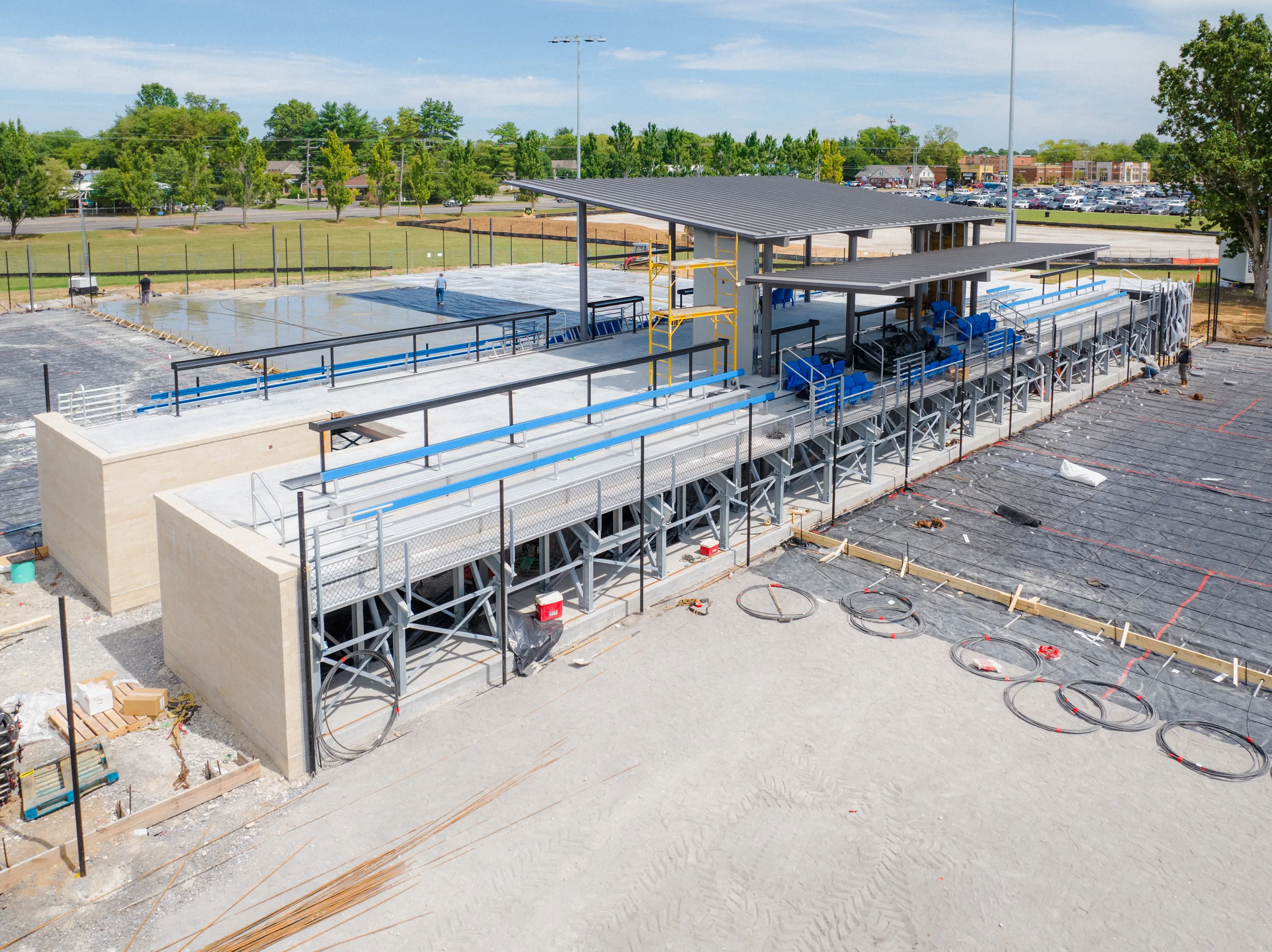
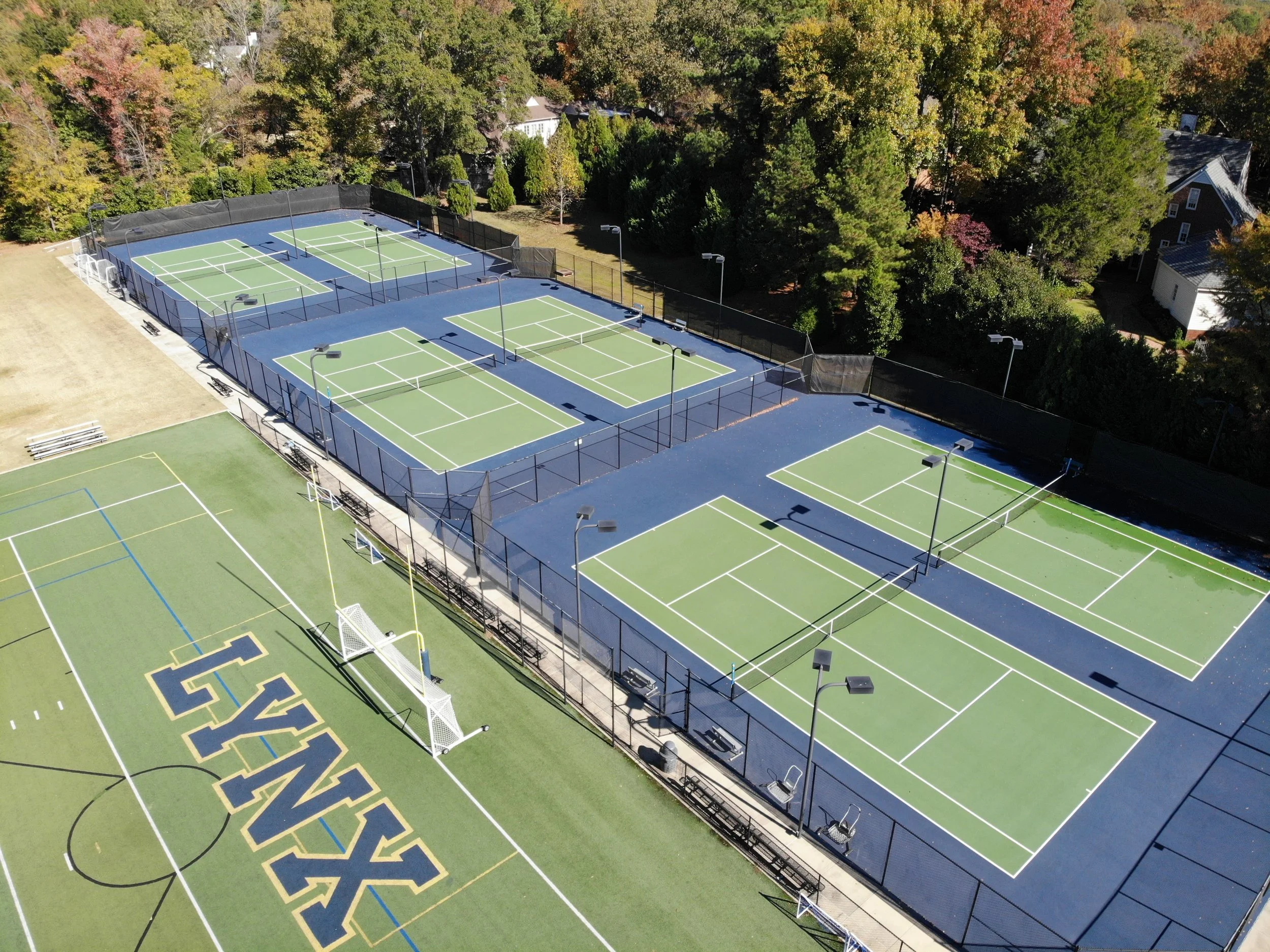
Tennis Courts · Mid-South · New Construction & Resurfacing
Post-tension concrete. USTA-regulation layouts. BBB-verified craftsmanship since 1972. Barton Sports Construction builds the Mid-South's most durable tennis courts — for universities, clubs, parks, and private estates.
The Craft
Founded in 1972, Barton Sports Construction has spent more than five decades engineering and building tennis courts across the Mid-South. From single residential courts to multi-court university complexes, every project starts with one principle: build it right the first time.
Our post-tension concrete system is the gold standard for the Mid-South climate. Cable tensioning dramatically reduces cracking and surface failure — common failure modes on conventional concrete and asphalt courts. When a Barton court is built, it's built to outlast the competition.
Court Specifications
What We Build
Complete ground-up tennis court construction on post-tension concrete — site grading, sub-base preparation, drainage engineering, concrete placement, cable tensioning, acrylic surfacing, and USTA-regulation striping.
Full crack assessment, patching, and acrylic resurfacer system application. We color-coat and re-stripe to USTA standards. Typically every 4–8 years for hard courts (closer to 3–5 under heavy use) — we'll tell you honestly what your court needs. Read the full tennis court resurfacing & repair guide →
University athletics facilities, private clubs, HOA amenity centers, public parks. We have built multi-court facilities across the Mid-South including MTSU, Vanderbilt, Rhodes College, and Ole Miss. Phased construction available.
Classic red and green clay courts built over an engineered rock sub-base for proper drainage and long service life. Annual top-dressing service available. Traditional feel with a surface built for the Mid-South climate.
Court perimeter fencing in chain link and black vinyl-coated options, with post setting in concrete footings. Windscreen installation, gate hardware, and net post anchoring included as part of a full-build package.
LED sports lighting systems specified for recreational through competitive play — typically 30 to 75 foot candles at court level depending on use. Pole placement, conduit, and controls handled as a single-source installation.
Why It Matters
Conventional concrete and asphalt courts crack. In the Mid-South's heat-freeze-heat climate, they crack faster. Post-tension concrete uses high-strength steel cables — tensioned after the concrete cures — to compress the slab and dramatically reduce cracking forces. The result is a surface that stays true for decades, not seasons.
CRACK RESISTANCE
Post-tension cable systems dramatically reduce surface cracking — the #1 failure mode for tennis courts in the Mid-South's thermal cycling climate. Fewer cracks means fewer repairs, lower lifecycle cost, and a truer playing surface year after year.
SURFACE LONGEVITY
A post-tension slab built by Barton Sports Construction is engineered for a 25–40 year service life with proper resurfacing maintenance. That's two to three times the lifespan of conventional asphalt courts — and it shows up on your total cost of ownership.
TRUE BOUNCE
A flat, crack-free surface is not cosmetic — it's functional. Post-tension concrete delivers the consistent, predictable ball bounce that USTA-standard courts require. For competitive programs, there is no acceptable substitute.
Investment
The honest answer to how much it costs to build a tennis court depends on one decision more than any other: what goes under the surface. These are the ranges most Barton projects land in — every proposal is a written line-item quote after a free site assessment, and our pricing guide breaks down the full-regulation package in detail.
WHAT MOVES THE NUMBER
Site work and drainage set the foundation cost — grading, subgrade prep, and water management vary lot to lot. Fencing runs and lighting packages are the biggest line items after the slab itself. Surface specification (standard acrylic vs. cushioned systems, custom colors) and amenities like windscreens and bleachers finish the scope. Tennis court installation on an existing prepared pad sits at the low end; a raw hillside site with full drainage work sits at the high end. Every item appears in the written proposal before work starts.
The 30-Year Math
This is the math we walk every client through before they choose a surface. Post-tension concrete typically runs 30–50% more than asphalt on day one — compare the bands above. Then the two courts age very differently — and by the end of a 30-year horizon — under our typical Mid-South maintenance assumptions — the asphalt court has often cost on the order of $60,000 more per court, with the cost lines crossing around years 18–20. Numbers vary with climate, construction quality, and use — which is why we put the projection in writing for your site, not a brochure.
THE ASPHALT PATH
A 15–20 year structural life at best in Mid-South thermal cycling — many courts need major rehabilitation sooner, depending on base, drainage, and use. Crack-sealing starts early, and by years 10–12 most asphalt courts need structural overlay work — not just new color. Each intervention costs more than the last, and the slab still retires decades before post-tension.
THE POST-TENSION PATH
Typically 25–40 years of structural life with regular maintenance. The slab needs an acrylic resurfacing every 4–8 years — a surface renewal, not structural repair — depending on climate, construction quality, and play volume. The structure you paid for keeps working.
WHO THIS MATTERS FOR
Schools, parks, and clubs own courts for decades — the 30-year number is the real budget. For a private court you plan to enjoy for ten years, asphalt can be the rational choice, and we'll tell you so. The right surface is the one that fits your horizon.
How We Work
Recent Work
Questions Answered
Ready to Build?
Get a Free Tennis Court Estimate
Tell us about your site, your goals, and your timeline. We'll visit the property, assess site conditions, and deliver a detailed written proposal — at no cost to you.
Request Estimate →