Recent Work
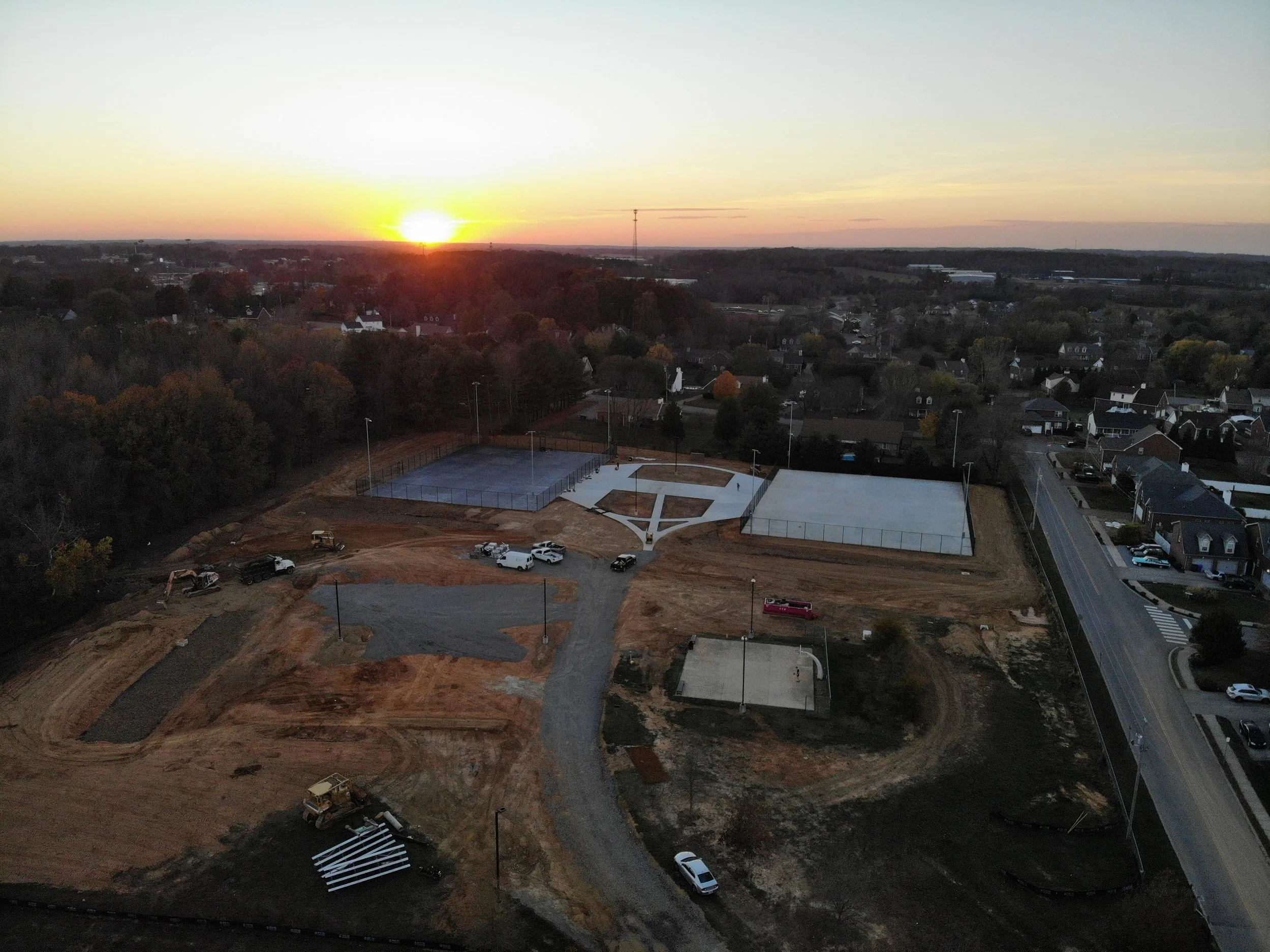
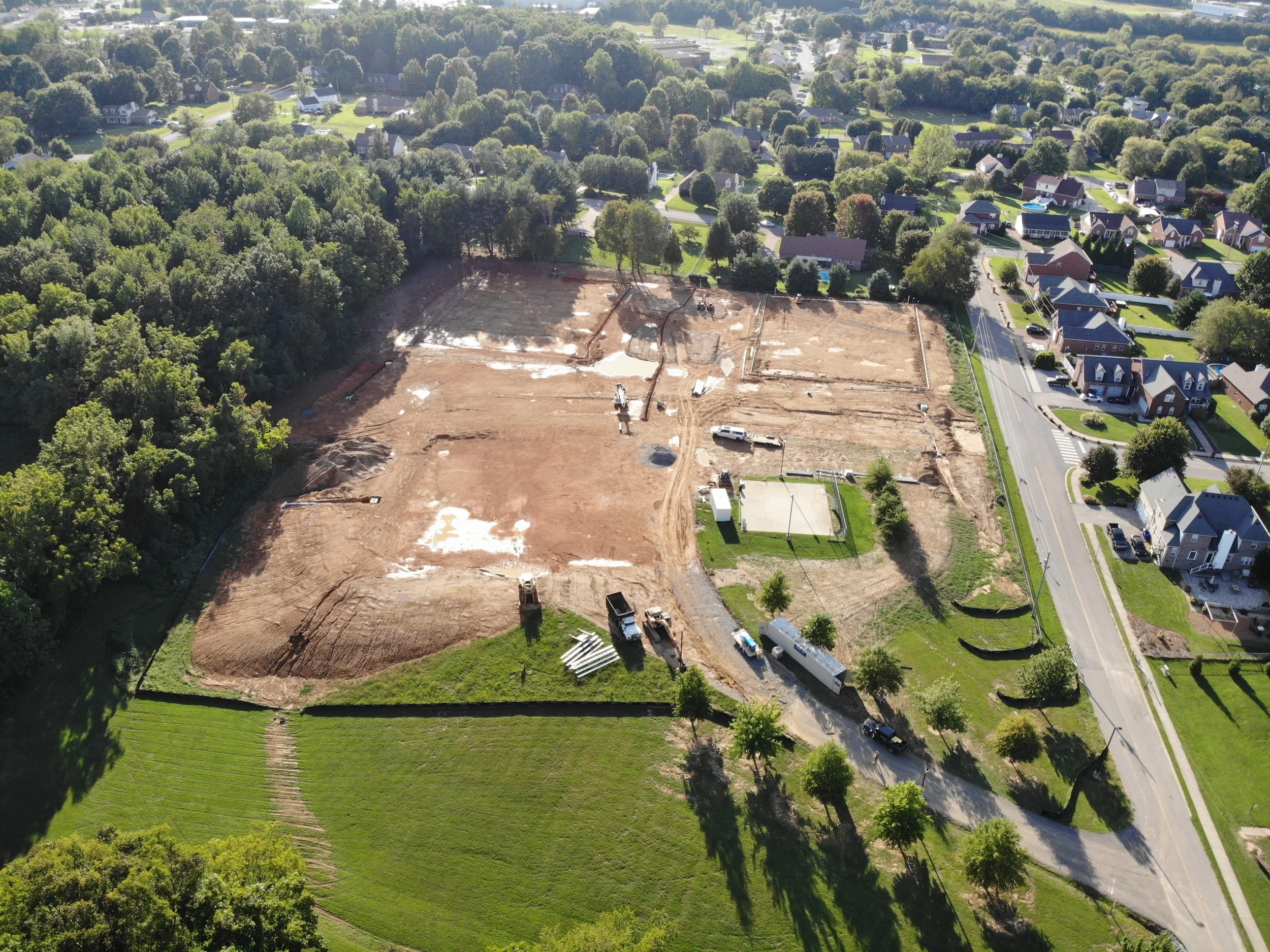
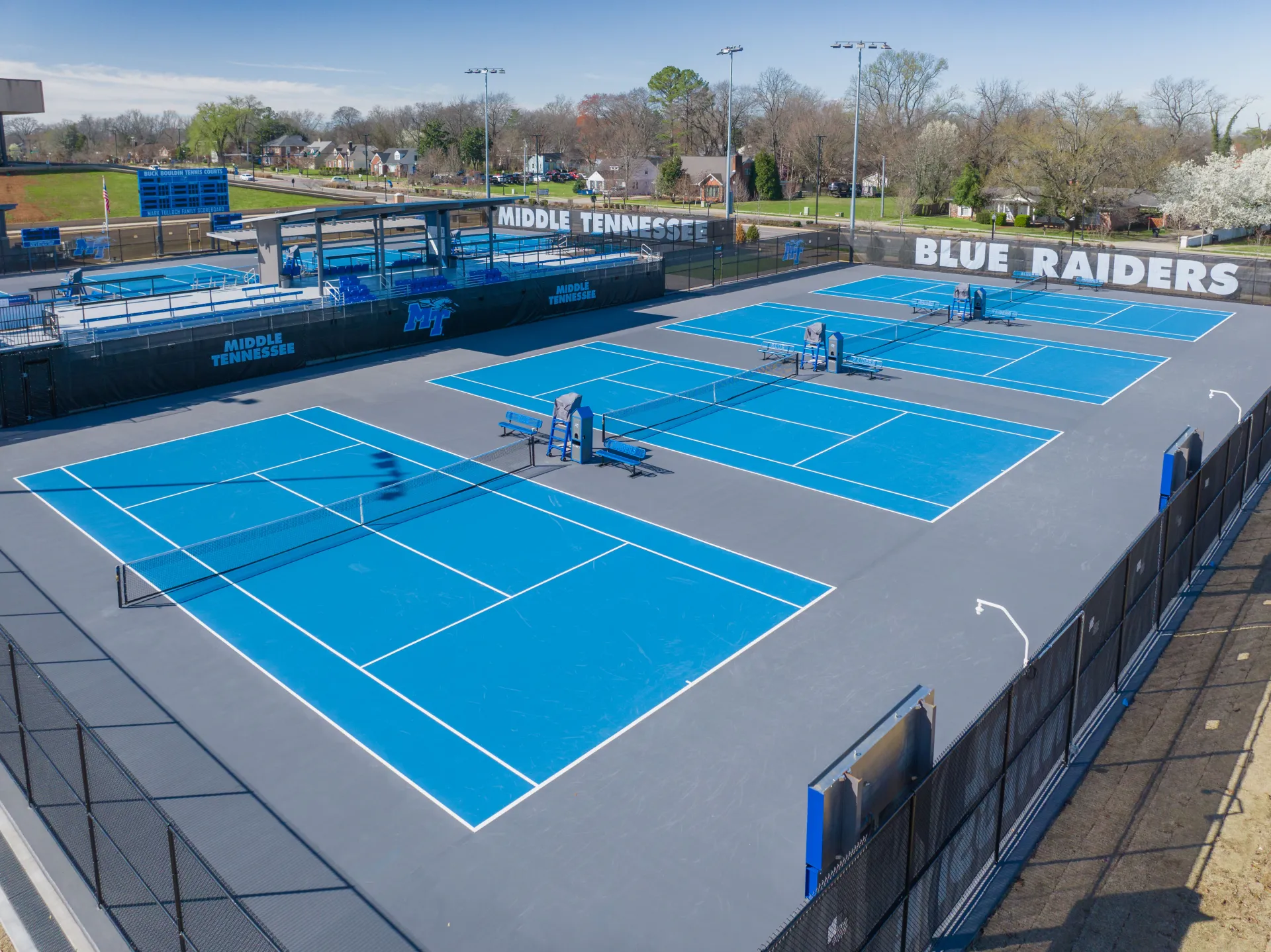
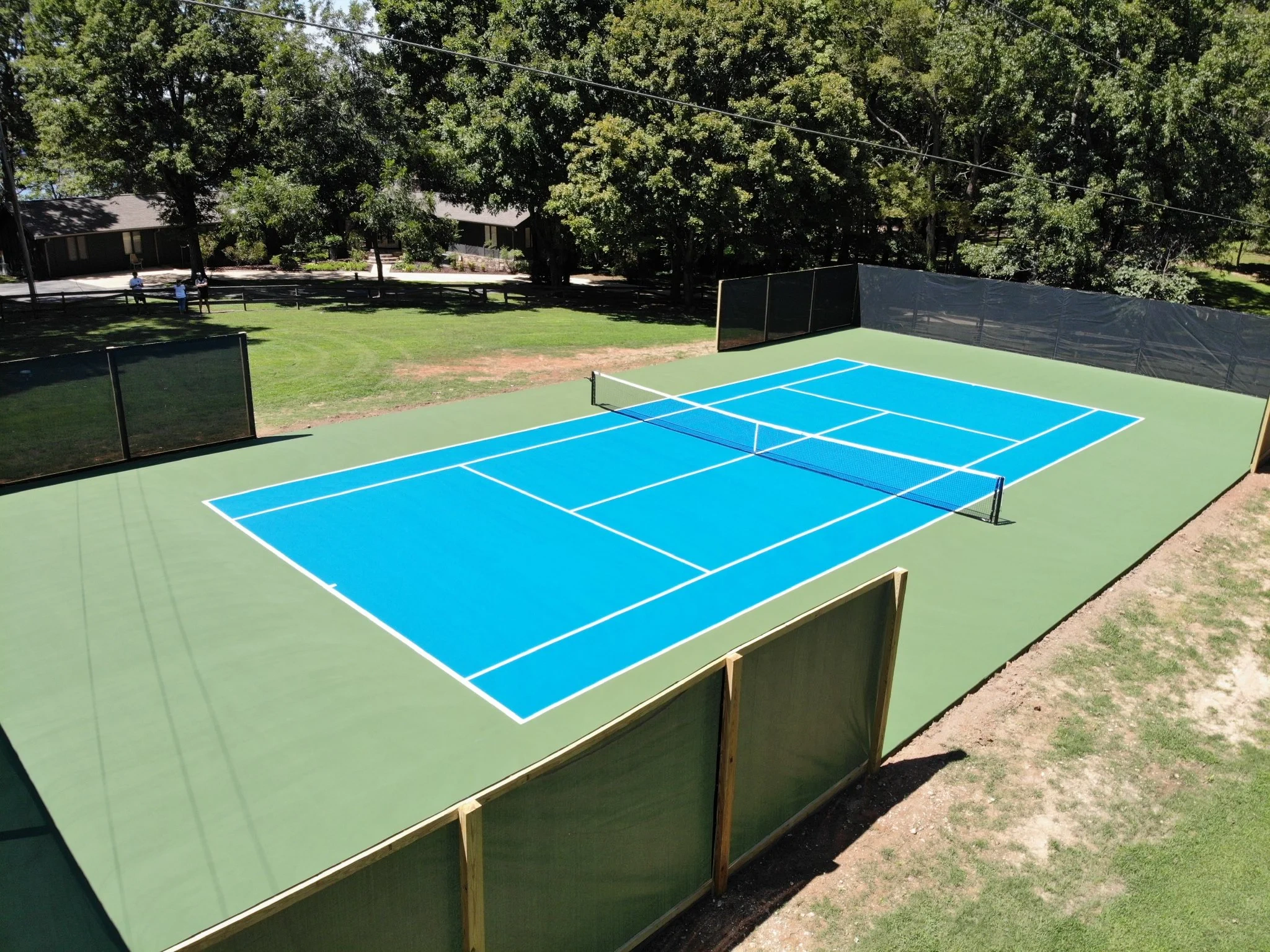
Resurfacing In the Wild
Resurfacing · Repair · Reconstruction · Since 1972
Tennis court resurfacing and tennis court repair from the people who build courts for a living. Honest assessment first, then the full treatment — crack repair, acrylic surfacing system, and USTA-regulation striping — done once, done right.
Why Courts Wear Out
Every outdoor tennis court lives a hard life. UV exposure chalks the color coat, thermal cycling opens hairline cracks, rain finds every low spot, and thousands of hours of footwork slowly polish the texture out of the surface. None of that means the court is failing — it means the surface has done its job and is due for renewal.
Tennis court resurfacing restores the playing surface — pace, color, footing, and lines — without touching the structure underneath. Done on the right cycle, it is the single most cost-effective thing you can do for a court: a fraction of reconstruction cost, and it protects the slab you already paid for.
Barton Sports Construction has been building and resurfacing courts across the Mid-South since 1972 — university complexes, clubs, parks, and private estates. We resurface courts the way a builder does: assess the structure first, fix what's underneath, then apply the surface system.
Resurfacing At a Glance
Straight Numbers
National planning ranges below — the honest answer for your court comes from a free on-site assessment and a written line-item proposal. Surface condition is the biggest variable.
Rule of thumb worth remembering: resurfacing typically runs 60–90% less than reconstruction while the base is structurally sound. Waiting too long is the expensive choice — once water gets under the surface and the base starts moving, you're no longer buying a resurface.
Read Your Court
The Honest Framework
Isolated cracks and low spots on a structurally sound base get treated as the prep stage of a resurfacing engagement — routed, filled, membraned where needed, then sealed under the new surface system. We don't sell stand-alone patch jobs, and here's why: a patched crack without a bonded surface over it reopens within a season or two, and you've paid twice.
Widespread surface wear with a healthy structure underneath: chalking color, faded lines, polished texture, minor cracking that hasn't returned after previous treatment, water pooling in shallow birdbaths. This is the 4–8 year maintenance play that protects the slab and typically costs 60–90% less than rebuilding.
Structural failure doesn't hide: cracks that reopen through every overlay, slab sections moving independently, severe settlement, drainage that no surface system can out-run. At that point resurfacing is money on a failing base — and we'll tell you so. A post-tension concrete rebuild resists the cracking that got you here.
Tennis Court Crack Repair
The structural cracks that reopen year after year almost always come from below — base movement, freeze-thaw cycling, moisture migrating under the slab. That's why tennis court crack repair on its own is a short-lived fix: fillers and patches address the visible line, not the force that opened it. The hard reality of a patch-only job is that it usually looks fine for one season and fails in the next — the movement that opened the crack is still there.
So we do it differently. Every crack gets assessed as part of the court's overall condition: hairline surface checking gets routed and filled; working structural cracks get membrane systems engineered to move with the slab; and everything gets sealed under a continuous acrylic surface that keeps water out — because water is what turns small cracks into structural ones.
If your court's cracking is beyond what treatment can honestly hold, we'll show you the evidence and walk you through the rebuild math instead. Fifty years of court building means we've seen every failure mode — and we'd rather lose a resurfacing job than sell you one that won't last.
Schedule a Court Assessment →Crack Treatment Methods
Crack treatment is scoped and priced as line items inside your resurfacing proposal — typically $450–$3,000 depending on severity and method; very severe conditions can run higher.
The Lifecycle Math
Think of the acrylic surface as the sacrificial layer that takes the weather so your slab doesn't have to. A court resurfaced on schedule — every 4–8 years — can keep a well-built base in service for decades. A post-tension concrete court in particular is typically engineered for a 25–35+ year structural life with that maintenance; skip it, and water gets to work on even the best structure.
The failure cascade is predictable: expired surface → water in the hairline cracks → freeze-thaw widens them → water reaches the base → the base moves → structural cracking → reconstruction. Every arrow in that chain costs more than the one before it. Resurfacing interrupts the cascade at its cheapest link — which is why it typically runs 60–90% less than the rebuild it prevents.
For facilities, there's a second math: courts out of service are revenue and members out the door. We sequence multi-court resurfacing so part of the facility stays open, and a 3–7 day per-court schedule keeps the disruption inside a maintenance window instead of a season.
Considering a new court instead? →One Court, 30 Years
Illustrative maintenance schedule for an outdoor hard court under regular play. Your assessment report includes a court-specific recommendation.
How We Work
Beyond Tennis
Our home turf — from single residential courts to university complexes. Full acrylic systems, pace tuning through sand loading, USTA-regulation striping, and optional blended pickleball lines if your facility wants dual-use courts without conversion.
Same acrylic science, smaller canvas. We resurface dedicated pickleball courts and handle tennis-to-pickleball conversions — where a resurfacing visit turns one tired tennis court into four regulation pickleball courts.
Outdoor basketball, volleyball, and multi-sport surfaces take the same weathering and answer to the same fix — crack treatment, acrylic color system, regulation striping. Often bundled with tennis work at schools and parks for one mobilization.
Recent Work
Questions Answered
Ready When You Are
Get a Free Court Assessment
We'll walk your court, document its condition, and deliver a written line-item proposal — repair scope, surface system, colors, timeline, and price. No cost, no pressure, and an honest answer even if that answer is "wait a year."
Request Assessment →